
A collaborative project between the French Government, the Department of Basic Education (DBE) and the Lawhill Maritime Centre and Lawhill Maritime Eduational Trust was launched in September 2024 and was completed, on time and within budget, at the end of July 2025.
Following the invitation to the Department of Basic Education to submit a project proposal, the Government of France generously provided approximately R1.7 million for the following essential activities aimed at improving the quality of the three Oceans Studies subjects (Maritime Economics, Nautical Sciences and Marine Sciences) in design, content, classroom delivery and alignment with academic and workplace needs.
The grant from the French Government made provision for the following work to be done:
- A review and revision of the Maritime Economics and Nautical Sciences Curriculum and Assessment Policy Statements (CAPS), bringing the content, skills, competencies and knowledge required up to date.
- The production of a professional textbook for Marine Sciences and the updating of existing texts for Maritime Economics and Nautical Sciences. The project will deliver textbooks for learners in grades 10, 11 and 12.
- The funding provided for teacher training opportunities across the three subjects. (To this end, an Ocean Studies Seminar was held at the Lawhill Maritime Centre in July 2025. It was attended by over 60 persons – more than 40 maritime educators and a number of industry specialists)
- The French Government also allocated funding for a study trip to France to exchange expertise and to showcase French expertise in the Marine, Maritime and Nautical domain.
Lawhill was invited to partner with the French Government and the Department of Basic Education, in view of its expertise in high school based maritime education, and was represented by the Lawhill Maritime Educational Trust (LMET) which played a pivotal role in ensuring the objectives and outcomes were achieved on schedule and within budget.
This ambitious project needed to be completed by end of July 2025 – 10 months. At the start of the project, a detailed survey was sent to over 700 individuals active in the maritime sector. The purpose was to receive inputs regarding the relevance of current CAPS content. A number of responses were received and the data received was taken into consideration.
The revised curricula documents will be published for Public Comment – dates to be advised.
Please keep an eye out for more details to be published on the Lawhill Facebook page
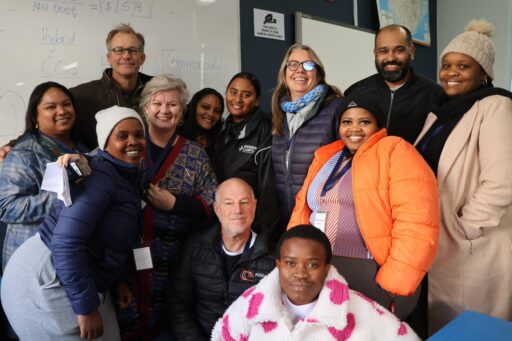
The Ocean Studies Seminar held in the July 2025 holidays and organised by the Lawhill Maritime Centre team, was a great success – despite the Lawhill building being flooded on the day that delegates were due to arrive!!
Lawhill’s hosting of a workshop-seminar event focused on teacher development and teaching support activities, including amongst others, provision of materials for use by educators in the classroom.
A wide range of experts were invited to present on topics identified by educators, chief examiners and moderators as areas for which enhanced teacher support is required. Other activities included outings to exciting, interesting and relevant places and sites that would stimulate and promote more effective curriculum delivery.
A sincere thank you to all the guest speakers who generously shared their knowledge and expertise, to the benefit of educators and the eventual benefit of maritime students around South Africa.
The Lawhill team also opened its library to the educators to select books for their schools. As they say, sharing is caring and we are more than happy to share our resources to the benefit of students across the country.
Examples of teaching materials developed by the Lawhill team:
Types of ships Tanker poster A1
Types of ships Offshore poster A1
Types of bulk carriers posters A1
Click on the links below to view the comprehensive seminar programme.
Ocean Studies Workshop – July 4 programme
Ocean Studies Workshop – July 5 programme
Ocean Studies Workshop – Sunday July 6 programme
Ocean Studies Workshop – Monday July 7 programme-fin
Ocean Studies Workshop – July 8 Tuesday programme-fin
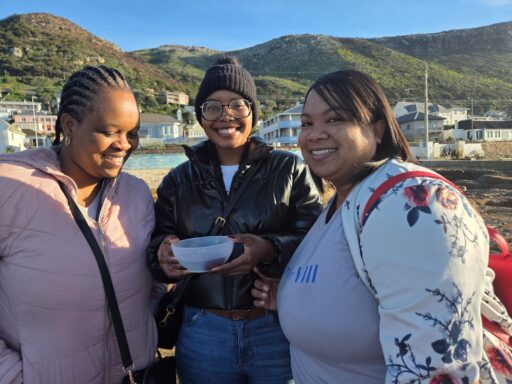
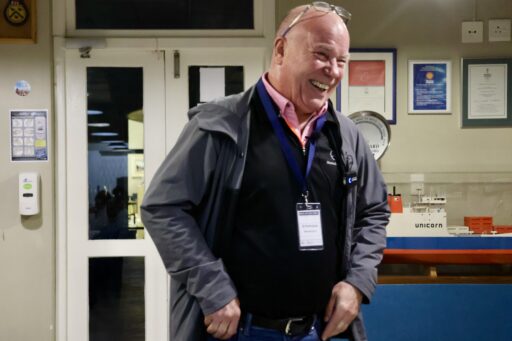
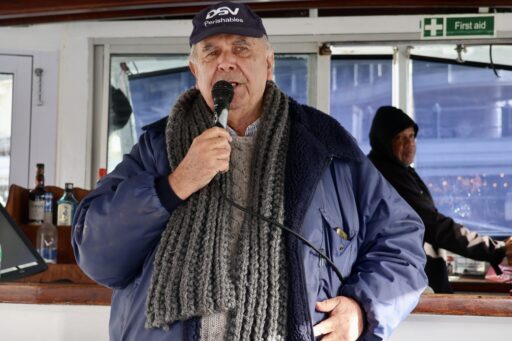
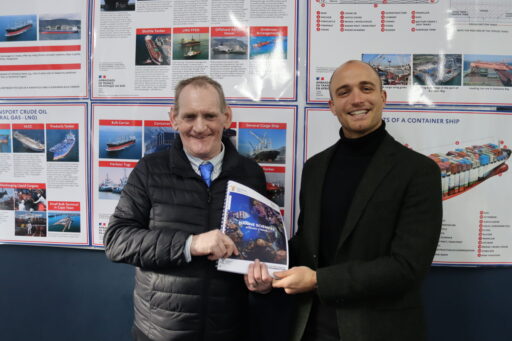
SEMINAR PHOTOS- more on the Lawhill Facebook page

PROJECT DETAILS
South Africa’s Blue or Oceans Economy is an important part of the South African economy, to the extent that approximately one-third of South Africa’s Gross Domestic Product (GDP) is linked to the Ocean Economy.
The South African oceans ecosystem, with its entire marine, maritime, governance and related socio-economic activities, offers a myriad of employment opportunities. The following maritime-related sectors have been identified as strategic areas of focus based on their potential contribution to economic growth and job-creation:
- marine transport and manufacturing;
- offshore oil and gas;
- aquaculture;
- marine protection services;
- ocean governance;
- small harbours and coastline development;
- coastal and marine tourism;
- skills development and capacity building; and
- research, technology and innovation.
Strengthening maritime education at secondary school level needs to be a priority, especially when considering both a) the potential of the above sectors to provide employment and b) the high number of South African youth in need of employment.
The country currently has a very limited number of maritime schools and, according to the Government’s SA Comprehensive Maritime Policy, extra effort is necessary to develop, support and nurture these schools because of a critical and strategic role they play in the ladder of human and skills development. It goes without saying that if learners were never introduced and or exposed to maritime awareness at schools’ level, the chances of an interest being generated at the point of enrolment at a tertiary institute are far reduced.
The maritime-focused subjects currently offered at secondary schools provide a significant knowledge and skills platform for National Senior Certificate (NSC) graduates (matriculants).
The three subjects in this cluster are:
1 Marine Sciences
2 Maritime Economics
3. Nautical Sciences